Atlanta Air Conditioning & Heating Blog

Read about Atlanta heating and air conditioning services, installations and sales.

air conditioning service in MariettaAtlanta, Georgia – Summer is just around the corner and Marietta residents may already be worried about higher energy bills from running their air conditioning units to stave off the heat. But there are many ways you can save money and stay cool at the same time.

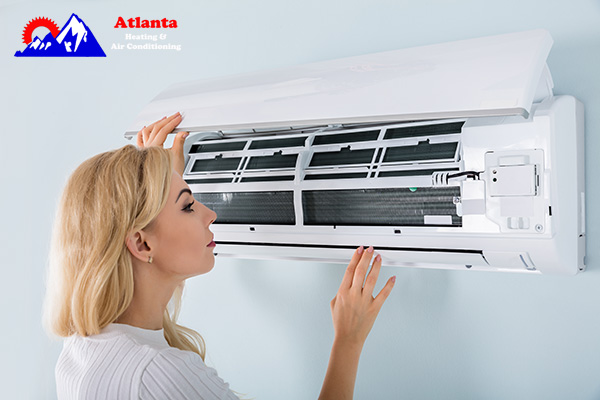
One of the best ways to save money on your cooling bills this summer is to schedule an inspection with a cooling repair technician. A certified technician, like those at Atlanta Heating and Air Conditioning, will be able to check your unit to be sure it is functioning properly. Checking duct work for leaks, being sure the filters and unit are clean, and other basic inspections will ensure your AC unit is ready to run at its maximum efficiency, which will save homeowners money.

For homeowners in need of a new AC this summer, be sure the unit is the proper size. In preparing for an installation, homeowners should remember that bigger doesn’t necessarily mean better when shopping for an air conditioning unit. A unit that is too big will waste energy, and will also be less efficient at reducing the humidity in a home. It is also important to look at the energy efficiency rating to be sure it is the correct rating for your climate. This will ensure the unit runs as efficiently as possible, therefore saving the homeowner money each month on utility bills.

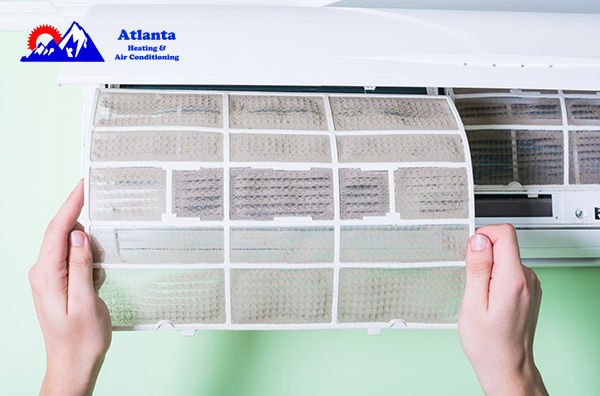
Be sure your unit is running cleanly. That means changing the air filters regularly, and during the warm summer months that can mean changing out filters every month. Dust and other contaminants will hinder air flow, making your air conditioning unit work even harder.

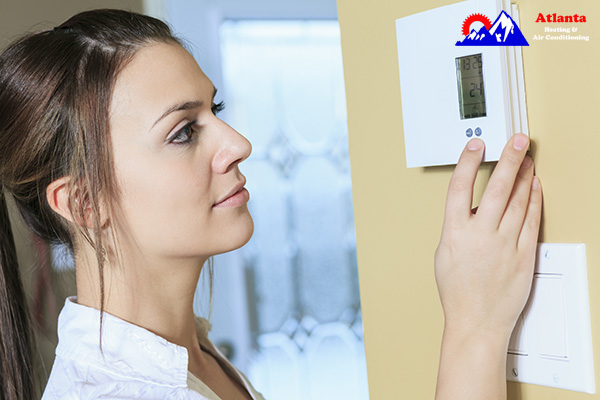
“Another easy way to save money each month is by installing a programmable thermostat,” says Phil Montgomery, owner of Atlanta Heating and Air Conditioning, who provides furnace and air conditioning service in Marietta. “There are many to choose from on the market today, and they are easy for homeowners to use and set to their schedule. Keep your home cool when you’re home, but save money by having the temperature increase when no one is at home.”

Other tips to save you money and keep your home cooler include:

• Keep your home from getting especially warm by closing drapes on the windows to keep the warm sun from shining in.

• Avoid using appliances such as the oven or dryer during the middle of the day when it is warmest outside.

• Use fans to keep the members of your family cool instead of turning down the AC.

• Be sure your attic is properly ventilated as heat is absorbed through a home’s roof – an attic fan or properly vented attic can reduce a home’s cooling costs.

• If your home has rooms that are not used often, close them off and close the vents in those rooms to avoid cooling rooms that are never in use.

• Be sure your vents are not obstructed by furniture or drapery.

By following even just a few of these simple steps, homeowners can lower their utility bills and ensure maximum comfort in their homes. If it has been awhile since your air conditioning unit was last inspected, call the licensed HVAC specialists at Atlanta Heating and Air Conditioning today to be sure your AC is ready to face the hot summer months.

 World One Filter
Atlanta, Georgia – Every day we are bombarded with ways to help save the environment, and the HVAC community is no different. In addition to using more energy efficient air conditioners and furnaces, homeowners also now have the option of using reusable and washable air filters.

But are these filters really as efficient at trapping dust and other contaminants as traditional filters? Phil Montgomery, a Marietta AC repair expert, explains the pros and cons of using washable air filters for homeowners.

The biggest benefit to using a washable air filter is the fact that it is more environmentally friendly. Rather than purchasing disposable filters that need to be replaced every one to three months, homeowners can purchase a washable filter that can last up to five years if cleaned and maintained properly. That means a homeowner can feel good about contributing less waste.

Another benefit homeowners appreciate is the cost in savings realized by using a washable air filter. While the upfront cost is considerably more than a one use filter that cost will typically be made up in just a few months of use. A washable filter can cost two to three times more than a standard disposable filter, but that filter will last years, while the disposable one will last at most three months. In today’s economy, any savings is a bonus for homeowners.

“Washable air filters are very effective at removing larger airborne particles,” says Montgomery, owner of Atlanta Heating and Air Conditioning, which provides Alpharetta cooling services. “However, tests show that they might not be as effective as other filters in capturing the smaller, almost microscopic particles that plague some homes. In homes with pets or smokers, the reusable filter may not be able to effectively remove the pet dander and smoke from the air.”

Why is that important to homeowners? Not only will those particles continue to circulate through the air, which can lead to illness and allergies for homeowners, it can also decrease the efficiency of a homeowner’s cooling unit, leading to service calls and even replacement. Air filters are needed not just to clean the air residents of a home breathe, but to also keep those contaminants from building up in the homes heating or cooling unit. Filters that are not changed or cleaned regularly will force the unit to work harder, therefor increasing its energy use and increasing a homeowner’s utility bill.

For homeowners looking for a low maintenance filter, a reusable filter may not be the best option. To ensure its effectiveness, a washable filter must be cleaned once a month. At first thought that seems easy. A homeowner can just remove the filter, take it outside and give it a quick rinse. Then it can go right back to work.

“Unfortunately, it’s not that easy,” says Montgomery. “That washable filter has been exposed to bacteria and other harmful contaminants. That means it can create hazardous waste water when it is cleaned. That water must be properly disposed of.”

Another hazard to reusable filters is mold. One of the jobs of a filter is to keep mold out of a home. But if a washable filter is not completely dried before it is replace, it can do the exact opposite. Mold grows in warm, moist, dark places – which is exactly the environment that is found when a reusable filter is put back in place while still damp. And because these filters aren’t as effective at blocking out contaminants, these mold spores can slip through and develop in other areas throughout a home.

Washable, reusable air filters seem like the perfect solution for homeowners looking to save some money while helping the environment. But before purchasing one, homeowners should be certain they understand the downside to these types of filters. Not properly cleaning the filter, or putting it back before it has completely dried, can actually cause more harm than good. And because they aren’t as effective at trapping smaller airborne particles, homes with pets or residents who smoke might actually be forcing their heating or cooling unit to work even harder.

To be sure your unit is running at its most efficient, call Atlanta Heating and Air Conditioning service for a maintenance appointment today.

AC installation companyAtlanta, Georgia – It’s not uncommon for the typical home to have leaks where air can escape. And if not sealed properly, those leaks will let out as much air as an open window – resulting in increased energy costs and decreased comfort for a homeowner.

“Properly sealing the exterior walls, floors and ceilings of a home is essential,” says Phil Montgomery, owner of Atlanta Heating and Air Conditioning, a repair and AC installation company serving the greater Atlanta area. “Especially in this economy where homeowners are seeking ways to save money, properly sealing a home is an easy way to decrease a homeowner’s utility bill.”

If homeowners felt drafts during the cold winter months, cracks or holes might have been the culprit. Weatherstripping and/or caulking are two very simple and extremely cost-effective ways to seal cracks and leaks, thereby increasing a home’s comfort and reducing utility bills. Weatherstripping can be used to seal doors, windows and other parts of a home that move or open. Caulk is used to seal cracks or openings around doors and windows.

Before a homeowner grabs the phone to call for Air Conditioning service because their home isn’t cooling as it should this summer, it’s important to first check for leaks or cracks that are letting the cooler inside air out. Before thinking a new unit installation is needed, a certified technician can first check the home to be sure it is sealed correctly. Holes and cracks that aren’t properly sealed can also lead to unnecessary moisture entering a home, which can lead to health problems for the homeowner.

“Before any leaks can be sealed, it is important to first know where they are,” says Montgomery, who also offers AC repair in Atlanta. “While homeowners can look for cracks on their own, a technician will be most qualified to find them. A comprehensive search will include inspection of the duct work in the home to find exactly where the problem is located.”

According to EnergyStar, the most common cracks and holes can be found in the attic hatch, behind kneewalls, in wiring holes, in plumbing vents, in recessed lights, in furnace flues, in basement rim joists and in doors and windows.

Homeowners can easily check to see if their doors and windows are properly sealed. One method is to place a piece of paper in the window or door and close it. If the paper can easily be pulled out while the door or window is closed, the seal is not tight enough. Homeowners may also be able to feel where air is escaping or entering, especially during the colder winter months when they will be able to feel a draft.

Holes can be found in a home’s envelope from where piping, lighting, wiring and duct work are. In this case, it will most likely take a qualified technician to be able to determine the source of the leakage. During an energy audit, a home will be depressurized so the leaks can be found. The holes can then be filled with caulk, weatherstripping or a spray foam.

In a typical home, close to 20 percent of air flow going through a home’s duct system can be lost due to holes and cracks in the ductwork. Duct connections can also be poorly sealed. Exposed ducts can be fixed with duct sealant and ducts that run through areas of a home that get particularly cold in the winter or warm in the summer should also be insulated.

While properly sealing a home is important to maintain comfort and decrease utility bills, it is also important to note that a home that is sealed too tightly can result in poor indoor air quality. Some fresh air is needed in a home to keep the air clean. It is also important to have some fresh air enter homes that have forced air heating systems. If you are unsure if your home has the proper ventilation needed, call your trusted HVAC technician today to schedule an appointment.

To save money on your monthly utility bill, and to increase the comfort of your home, call an HVAC specialist to inspect your home for cracks and leaks today. As the warm summer months are approaching, properly sealing your home can save you from having the air conditioned air escape your home, leaving you with a higher utility bill and uncomfortable home.

© 2013 Sinai Marketing and Atlanta Heating and Air Conditioning. Authorization to post is granted, with the stipulation that Sinai Marketing and Atlanta Heating and Air Conditioning are credited as sole source. Linking to other sites from this document is strictly prohibited, with the exception of herein imbedded links.

Air Conditioning RepairAtlanta, Georgia – Atlanta residents want to get the most out of their air conditioning units, but sometimes it might be more economical to replace the unit than continue to repair it. Much has changed in the air conditioning world in recent years, so it’s important for homeowners to understand when it might be time to look into installing a new unit, rather than continuing to pour money into their current system.

“New systems have many benefits,” says Phil Montgomery, owner of Atlanta Heating and Air Conditioning, an Atlanta air conditioning installation company. “A new kind of refrigerant that doesn’t use chlorofluorocarbons was mandated for use in 2010, so new units are better for the environment. Many new systems also use less electricity and are more efficient, so they can keep homeowners more comfortable and lower their energy bills.”

There are a few questions homeowners should ask when debating repair versus replacement.

How old is your unit? In homes with units that are more than 8 to 10 years old, it may be time to replace the unit. Over time, cooling units will lose some of their efficiency. Upgrading your system could save you as much as 20 percent per year in energy costs.

Does your air conditioning unit require frequent AC repair? Continuously reaching for the phone to call the repairman can be a sign your unit is losing efficiency.

Is your unit noisier than usual? Noise doesn’t always mean the unit isn’t working properly, but it can be an indication the unit is beginning to fail. The current condition of your unit can tell you whether or not you should repair your unit or simply replace it.

“Older units can become expensive to repair as they age, and they will begin to break down more often,” says Montgomery. “Parts for older units can be hard to track down, and if we can find them, they can often be expensive.”

If older units haven’t been properly serviced over the years, their life expectancy might be shorter. Proper maintenance over the years can extend an air conditioning unit’s life by four or more years.

In homes where the energy bills keep rising, it might be time to consider installing a new unit. Because technology continues to advance, even units that are just a few years old have been replaced by air conditioners that are more energy efficient.

Cooling units are rated by Seasonal Energy Efficiency Ratings. A S.E.E.R. rating of 10 gets 10 cooling units for a certain amount of electricity, while a S.E.E.R. of 14 gets 14 units for that same amount of electricity. That means the unit with the higher S.E.E.R. rating is 40 percent more effective. Installing a unit with a better efficiency rating can save homeowners money each month on their utility bills, and often pay for themselves within a short time.

When looking at the current condition of a cooling unit, there are a few things to take into account. The quality of the equipment, for instance whether it is a reputable brand, is important when determining its life span. How many times has the unit broken down since its installation? Has it been properly maintained? If your unit has not been properly maintenanced, is an inferior quality, or breaks down regularly, it might be time to consider replacement. Even the best licensed technicians cannot help a unit that is already in poor condition, without restoring the unit completely.

Another important factor in determining whether a home can get by with air conditioning repair instead of replacement is to ask a reputable company. It’s important to find an HVAC company you can trust. Establish a relationship with a company who employs licensed technicians. Over time, your trusted technicians will know the ins and outs of your AC unit and can tell you honestly whether a unit has reached the end of its life. Using the same company year after year allows you to not only establish that relationship, but also keep records of when your units were serviced and what was done. This can help the homeowner and repair company make an educated decision when choosing between repair or replacement.

In the short term, repair may look like the best option because it is less expensive. However, it’s important to consider the long term effects of that decision. Simply putting a Band-Aid over a bigger problem may lead to added expenses over the years. So while a total air conditioning unit replacement may result in more out of pocket expenses up front, it may save the homeowner dollars in the long term.

Whether a homeowner decides to simply repair the problem or completely replace the unit, it’s important to remember that regular maintenance is essential to keep an air conditioning unit functioning properly. If you can’t remember the last time your unit was serviced, call your local HVAC company today to schedule a maintenance appointment.

© 2013 Sinai Marketing and Atlanta Heating and Air Conditioning. Authorization to post is granted, with the stipulation that Sinai Marketing and Atlanta Heating and Air Conditioning are credited as sole source. Linking to other sites from this document is strictly prohibited, with the exception of herein imbedded links.

Remove Airborne Pollutant, UV LampLawrenceville, Georgia – There’s good news for homeowners who suffer from allergies and can’t find relief from standard air purification systems. UV germicidal lamps can effectively remove airborne pollutants from homes, while also helping an AC unit run more cleanly and efficiently, resulting in fewer service calls. That’s music to Lawrenceville residents’ ears.

In homes that have residents who suffer from allergies, asthma or other respiratory problems, indoor air quality is important for comfortable living. For homeowners who have tried all the standard indoor air purification systems but still haven’t found relief, it might be time to consider UV germicidal lamp installation on their air conditioning unit.

“Roswell residents are finding that not only do these lamps improve their air quality, they also prevent maintenance calls,” says Phil Montgomery, owner of Atlanta Heating and Air Conditioning, which specializes in air conditioning and furnace installation. “Ultraviolet light has been used for years in other industries to sterilize equipment and kill airborne irritants. It quickly can rid an air system of contaminants such as yeast, mold and other harmful bacteria.”

Mold and bacteria can grow on a home’s air conditioning unit or inside its coils. The moist environment is a perfect breeding ground for these harmful pollutants. An ultraviolet germicidal light will kill the DNA of the microbe, which means it cannot grow and build up on the air conditioning unit. That means the air inside a home will be cleaner, and because there’s no build-up on the unit, it will run more efficiently, meaning no unnecessary service calls. Performance of the AC unit will be optimized because air will be able to pass through the coil easier.

Even the thinnest layer of pollutants built up on an indoor coil or air conditioning unit can reduce airflow. In fact, Carrier reports that a build-up of just two-thousandths of an inch can reduce air flow by nine percent. That means not only are dangerous pollutants potentially entering the home’s airstream, but the homeowners may be paying additional dollars each month in energy bills from a unit that doesn’t run properly.

“Ultraviolet lamps can reduce airborne pollutants almost immediately,” says Montgomery, a provider of Marietta heating service. “In fact, up to 50 percent of bioaerosol contaminants can be removed just 45 minutes after a UV germicidal lamp is installed. That means homeowners can breathe better practically instantaneously.”

According to the American Lung Association, nearly 42.6 million Americans suffer from asthma or hay fever. And many are unaware that the air they are breathing from the comfort of their homes may actually be worse for them than the outside air. And it has been estimated that nearly one in six people who suffer from allergies may actually exhibit symptoms because of the pollutants coming from their air system.

Homes built in recent years are incredibly effective at making sure heated and cooled air is sealed in to create better energy efficiency. However, these same homes might also be trapping contaminants that homeowners don’t want inside their homes. Bacteria, fungus, dust, mold and other pollutants that get released into a home’s air can trigger asthma attacks and send allergy sufferers wondering how they can find relief.

An ultraviolet germicidal light can bring comfort, health and efficiency back to a home, for the price of simply running a 75-watt light bulb. Its powerful UV energy is safe and proven technology that can eliminate dangerous contaminants, virtually immediately. The benefits to homeowners are quick to see. Residents will breathe easier, and an air conditioning unit’s air flow will be increased, resulting in better efficiency.

To learn more about the benefits of UV germicidal lights and other indoor air purifiers, homeowners should call their heating and cooling expert today.

© 2013 Sinai Marketing and Atlanta Heating and Air Conditioning. Authorization to post is granted, with the stipulation that Sinai Marketing and Atlanta Heating and Air Conditioning are credited as sole source. Linking to other sites from this document is strictly prohibited, with the exception of herein imbedded links.

Duct Work Role on AC Performance

Atlanta, Georgia – The heat of summer is fast approaching. To be sure their air conditioning unit performs at its peak, Marietta homeowners should be sure their duct work design allows for maximum cooling efficiency.

“Central cooling systems use a duct system to circulate the cooled air to the rooms of your house,” says Phil Montgomery, owner of Atlanta Heating and Air Conditioning, which serves air condition service to the entire area, including Alpharetta. “A properly designed duct system will ensure uniform temperatures throughout a home, as well as regulate efficiency.”

Homeowners may wonder why their air conditioner seems to run continuously, but doesn’t cool the house efficiently, or why one room is always much cooler than another. This can lead to service calls to have a professional fix the air conditioning in Marietta.

The efficiency of a cooling unit can many times relate directly back to the duct work installation. A home with a poor design of its duct work, or one that has leaks in the system, can be as much as 75 percent less efficient than a unit with properly designed duct work. That means professional cooling installation can reduce further costs in the future.

All that can be fixed by a quick visit from a certified technician who can examine the design of a home’s duct work. A leaky or unbalanced system will mean some rooms are too cold, while others are too hot, and can send cooled air outside while drawing unconditioned air in. Bringing that warm air in can mean a cooling unit works harder, thus increasing energy costs, but it can also draw in unwanted humidity, dust, and other contaminants. Leaking ducts can make coils dirty, which results in reduced capacity for the cooling unit.

According to Alpharetta cooling owner Ducts can also be either oversized or undersized. An undersized system can lead to low air flow. Low air flow can also result if there are unnecessary bends or turns in the system, which can also lead to a noisier than usual system. An oversized system will also cause low air flow, as well as uneven temperature distribution. If you’ve ever wondered why one room is significantly warmer than others, an oversized duct system could be the culprit.

Good duct work design should result in comfort for all those in the home, as well as proper air distribution and economical energy bills. A properly designed system will supply air to each room of the home and be sealed to provide correct air flow and prevent leaks.

If you suffer from uneven heating or cooling of your home, or any of the other issues discussed, call a certified technician today to inspect your duct work system. Not only will it make your home more comfortable, it can make your system operate better, meaning money saved in unnecessary energy costs.

Carbon Detectors are Important

Atlanta, Georgia – It’s odorless and invisible, but in large amounts, can kill in mere minutes. Every home should be equipped with a carbon monoxide detector to alert homeowners should an emergency arise.

“Carbon monoxide is created wherever gas, oil, wood, charcoal or kerosene is burned,” says Phil Montgomery, whose business Atlanta AC has provided exceptional HVAC service and maintenance for more than 40 years. “In homes with appliances that burn these types of fuel, it is essential that the appliance always remain in proper working order. If the appliance malfunctions, CO can be released into the airstream of unsuspecting homeowners.”

To know whether a family member may be experiencing carbon monoxide poisoning, it is important to understand the symptoms. CO poisoning can cause dizziness, headaches, nausea and confusion. Low doses of carbon monoxide can result in milder symptoms, but can have lasting effects on the body. And because these symptoms are similar to those caused by the flu, they are especially dangerous because homeowners might not think carbon monoxide is responsible. Carbon monoxide can interfere with oxygen transport in the blood, causing the body to become oxygen-starved. This can result in tissue damage, and even death. Babies, children, expectant mothers and people with circulatory and respiratory issues are more susceptible to CO poisoning.

If you suspect someone in your home may be suffering from the effects of carbon monoxide poisoning, the most important thing to do is get fresh air immediately into the area. Open all windows in the home, turn off any combustion appliances and leave the house.

Visit an emergency room to have a blood test done to determine if CO poisoning has occurred. The doctor will most likely ask several questions to find out if symptoms occur only in the home, if they disappear when you leave home, if anyone else in the household is complaining of symptoms, if there are fuel burning appliances in the home, and if fuel burning appliances have been inspected lately.

There are several ways carbon monoxide poisoning can be prevented. Homeowners should be sure their fuel burning appliances are inspected every year to maintain proper function.

“The winter may be drawing to a close,” says Montgomery, whose business serves the greater Atlanta area and provides Air Condition repair. “But it’s still important for homeowners to remember that their fuel burning and other appliances should have a furnace check-up visit by a trained professional once a year to be sure the unit is working properly and all fumes are able to be properly vented.”

One of the best ways to protect your family is to install a carbon monoxide detector. The detector will trigger an alarm based on CO accumulating over time. Detectors typically need a continuous power supply so they will work in the event of a power outage. Different detectors alert in different ways and depend on how the level of carbon monoxide is measured.

Carbon monoxide is lighter than air and is typically found with warm, rising air. A detector should be placed on a wall, several feet above the floor. It may also be placed on the ceiling. It should never be placed near a fireplace or appliance that produces a flame. In homes with more than one floor, a detector should be placed on each floor. Be sure the detector is either close enough to bedrooms or has a loud enough alarm that it can be heard even while sleeping.

Most importantly, homeowners should not ignore the alarm if it go off. The detector is designed to alert homeowners before symptoms are felt, as CO poisoning can cause lasting effects, even with mild symptoms. If the alarm goes off, get everyone out of the home, ventilate the home and call 911 if anyone is experiencing symptoms. If no one is experiencing symptoms, schedule a maintenance check as soon as possible to determine the source of the leak.

There are some things to remember about carbon monoxide detectors, however. They are designed to protect healthy adults, so the ages and health of all family members in the home should always be taken into account when determining the effectiveness of a detector. The average CO detector will last around two years, so they should be replaced regularly. Look for one with a battery backup so that it will still work in the case of a power outage.

Even though the cooling air of winter is fading into spring, it’s never too early to schedule an appointment to have your heating or air conditioning units serviced, and now is the perfect time to install a carbon monoxide detector. Not only can having properly working units save you money on your energy bill, it might just save your life.

© 2013 Sinai Marketing and Atlanta Heating and Air Conditioning. Authorization to post is granted, with the stipulation that Sinai Marketing and Atlanta Heating and Air Conditioning are credited as sole source. Linking to other sites from this document is strictly prohibited, with the exception of herein imbedded links.

Get ready for Hot DaysAtlanta, Georgia – The temperatures are heating up in Atlanta, but before the summer is here, homeowners should be sure their air condition units are functioning properly to keep them cool in the hot weather.

“The best time to service an AC unit is before you actually need it,” says Phil Montgomery, owner of Atlanta Heating and Air Conditioning, which provides repair, installation and maintenance services for all types of cooling devices. “Regular maintenance and cleaning are essential to avoid having to make what would otherwise be unnecessary calls to repair your cooling unit.”

According to our ac service expert, the easiest thing for homeowners to do themselves is change the air filter regularly. Air filters should typically be changed every 30-90 days, depending on if your home has pets or if anyone suffers from allergies. Dirty air filters will result in poor performance from your AC unit. And if you have a pet, dander will accumulate quickly in the filter. During the hottest summer months, it’s a good idea to regularly monitor your filter and replace it as soon as the dirt begins to accumulate.

An air conditioning unit that is not maintained regularly can lose as much as 5 percent of its efficiency each year. This can cause frustration for homeowners with new units that continuously need repair. But a quick service call from air conditioning professional can keep your unit running efficiently and prevent you from spending more money than you need to on your energy bills each month.

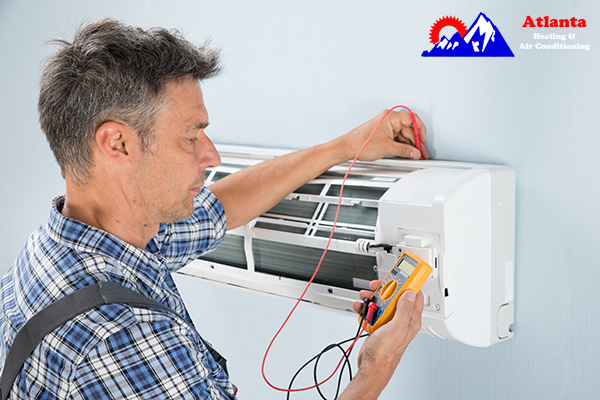
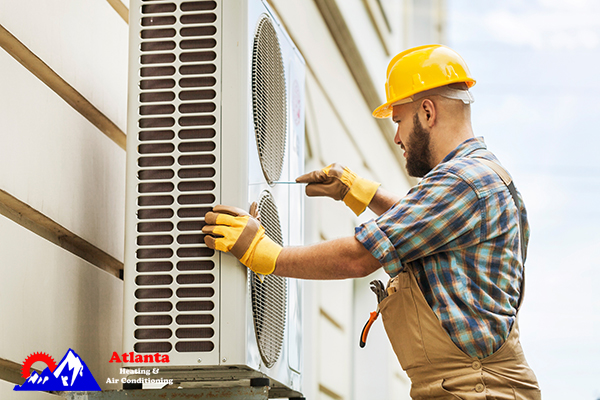
A service call from a certified technician in Decatur will include several things that homeowners might not think of doing themselves. For an outside unit, a technician’s service will include inspecting for the proper level of refrigerant and adding more if necessary and cleaning any dirt or debris from the unit. The technician will also inspect the coil unit as well as the fan motor and blades for any wear or damage. The blades may require lubrication to run properly. The compressor and tubing will also be closely looked at for any signs of damage.

Inside, the technician will inspect and clean the blower assembly. If your home has an older model, the technician will lubricate the motor and replace the fan belt, if needed. The combustion blower will be inspected for lint and other debris and cleaned as necessary, along with the evaporator coil and drain pan. The technician can also inspect duct work for leaks and make sure your duct work design allows for the best airflow.

There are also some things the technician will need to inspect while the unit is running. The technician can monitor how the unit starts and then listen for any unusual noises that may indicate there is a problem. Unusual smells can also indicate something is wrong with the unit. While the unit is operating, the technician can monitor for the correct refrigerant charge and check the vent system for proper operation. A technician will also be able to measure temperature rise and adjust airflow, if needed.

“Air conditioning units are a lot like cars,” says Montgomery, whose business can also provide furnace maintenance, “Just as a car requires regularly tune-ups to drive properly, an AC needs regular attention to cool effectively.”

With proper care from a professional and a little attention from the homeowner, your AC unit can keep your family nice and cool when the sweltering summer heat sets in.

© 2013 Sinai Marketing and Atlanta Heating and Air Conditioning. Authorization to post is granted, with the stipulation that Sinai Marketing and Atlanta Heating and Air Conditioning are credited as sole source. Linking to other sites from this document is strictly prohibited, with the exception of herein imbedded links.

lawrenceville air condition serviceAtlanta, Georgia – Summer is fast approaching and before those temperatures spike, homeowners should be sure their air conditioners can provide enough cool air to keep their homes comfortable. One way to ensure that is to check that your home has the proper amount of insulation to keep the cold air from escaping.

But how can Marietta homeowners know whether they have the right amount of insulation?

“Homeowners can quickly check by looking across their attics,” says Phil Montgomery, owner of Atlanta and Marietta Heating and Air Conditioning. “If you can easily see your floor joists, you probably need to add more insulation.”

Ensuring your home has the correct amount of insulation has several benefits, including reduced energy costs, even temperature distribution and better moisture control.

How does insulation work?

Very simply put, insulation blocks heat from entering the home during the summer and prevents the warm air from escaping in the cool winter months. During the summer months, the sun can cause the temperature in an attic to rise close to 170 degrees. Without proper insulation, this heat enters into the home, making for uncomfortable living.

Homeowners often attempt to solve this problem by simply lowering the temperature the air conditioner is set to, forcing their unit to work overtime and increasing their energy bills each month. Or they mistakenly think their AC unit is in need of AC repair because it is constantly running without actually cooling the house down significantly.

“In a poorly insulated home, the heat enters at about the same rate an air conditioning unit can cool it,” says Montgomery, whose company also provides for residents of Lawrenceville, heating repair services. “The proper amount of insulation in your attic will reduce the amount of heat that is able to enter your home, thus allowing your home to stay cooler longer on its own. Your air conditioner will need to run less often, but when it does, it will run more efficiently.”

There are other advantages to insulation as well. With proper insulation, the air inside a home will not get processed and cycled through your AC or furnace unit as often so the air won’t feel as dried out. Insulation provides the service of a sound barrier as well – proper levels of insulation can reduce the amount of outside noise that enters the home. Cellulose insulation is non-flammable, which can provide some degree of fire protection to a home. Cellulose insulation is also resistant to insects, termites, mold and mildew and reduces condensation on ceilings and walls.

Types of insulation

There are many different types of insulation.

Rolls and batts, or blankets, are flexible insulation products made from mineral fibers, such as rock wool or fiberglass.

Loose-fill insulation is made from fiberglass, rock wool, or cellulose and is in loose fibers or fiber pellets. It is blown into place using pneumatic equipment and conforms to building cavities, making it ideal for odd-sized spaces or attics with wires, ducts or pipes.

Rigid foam insulation is more expensive, but is effective in exterior wall sheathing.

Foam-in-place insulation can be blown into walls, attic surfaces or under floors to reduce air leakage and is typically made with polyurethane.

The performance of an insulation material is measured by its R-value. The R stands for resistance, so the thicker the insulation is, the greater it’s R-value will be. If the insulation in your attic is less than R-30, which equals 11 inches of fiberglass or rock wool or eight inches of cellulose, your home could benefit from more insulation. The typical Atlanta home requires insulation to be R-30 to R-60 in the attic to provide optimal levels of comfort.

Installing attic insulation is quick and easy, and in most homes it can be done in just a few hours. The process is quiet and clean and won’t disrupt the homeowners. The cost of additional insulation typically pays for itself within the first year of energy savings. And because the government recognizes homeowners who make an effort to make their homes more energy efficient, homeowners should check with their energy company to see if rebates are available for updating their insulation.

Before the summer arrives, have an expert check your insulation levels to be sure your home will provide as much comfort as possible during the hot Atlanta summer. And while you’re at it, schedule a routine maintenance appointment to be sure your air conditioning unit is ready to function properly.

© 2013 Sinai Marketing and Atlanta Heating and Air Conditioning. Authorization to post is granted, with the stipulation that Sinai Marketing and Atlanta Heating and Air Conditioning are credited as sole source. Linking to other sites from this document is strictly prohibited, with the exception of herein imbedded links.

Air Conditioning Repair

Atlanta, Georgia – The Energy Star label is something consumers have all seen, but few understand what it actually means. Phil Montgomery, owner of Atlanta cooling and Heating, a full furnace service repair company, explains what the blue label means to homeowners.

Energy Star is the government endorsed energy efficient symbol that helps consumers save money while also protecting the environment. To earn the distinction, a product has to meet strict efficiency guidelines as set by the Environmental Protection Agency. Consumers who choose Energy Star products not only get products with optimized performance, but are also saving energy, which in turn saves them money.

Energy Star is a joint program of the Department of Energy and the Department of Environmental Protection and was established in 1992. It began as a voluntary program designed to promote energy efficient products and reduce greenhouse gas emissions. Computer equipment was the first labeled product, and in 1995 the label was extended to additional office equipment and residential heating and ac units. Consumers now see the label on most major appliances, in addition to electronics, lighting, office equipment and more. Categories include:

  • Appliances such as washers and dryers, refrigerators and dishwashers
  • HVAC equipment such as central air, programmable thermostats and furnaces
  • Electronics such as televisions, DVD players and audio systems
  • Office equipment such as computers, photocopiers and printers
  • Commercial products such as vending machines and water coolers

Energy Star products reduce greenhouse gases and prevent harmful carbon pollution. The program was introduced to make it easy for consumers to choose energy efficient products that not only protect the environment, but save consumers money while doing it. It is estimated that in 2010 alone, the energy savings from using Energy Star rated products was close to $18 billion. And the greenhouse gas emissions saved equaled the equivalent of those produced by 33 million cars.

“Energy prices are a major concern for consumers,” says Montgomery, whose Atlanta company has been providing reliable air conditioning repair services for more than 40 years. “Consumers want to save money on their energy bills each month, without having to sacrifice the quality of the products they use. Energy Star helps make that a reality.”

Energy Star makes it easy for consumers to quickly identify energy efficient products. Not every consumer has the time to carefully investigate each of their purchases, but with the Energy Star label, homeowners can quickly and easily recognize the products that are better for the environment.
With over 60 product categories for both home and office use, the Energy Star label makes it easy for consumers to purchase products that will save them money, while performing the same or better than their less energy efficient counterparts.
Products earn the Energy Star label by meeting product specifications as determined by the EPA. These are set based on the following:

  • Must contribute significant savings nationwide.
  • Must deliver both performance and features consumers demand, while increasing energy efficiency.
  • If the product is more expensive than its conventional counterpart, consumers must be able to make up the difference in energy savings within a reasonable amount of time.
  • Energy efficiency must be achieved through non-proprietary technology that is produced and offered by more than one company.
  • Energy consumption can be measured and verified.
  • Labeling is visible and differentiates the product for consumers.

Energy Star labeled for Marietta cooling products are available nationwide. Different regions of the country have different efficiency requirements for furnaces and are labeled differently. Certified gas furnaces in the southern part of the United States are labeled with a special “U.S. South” Energy Star logo, while those in the north are labeled with the standard Energy Star logo.

Consumers can save nearly one third on their energy bill simply by using energy efficient products. In addition to these cost savings, homeowners will also significantly reduce the amount of greenhouse gases they emit each year. Energy Star also provides homeowners and builders with home and building assessment tools that make it easy to save money and energy. When making home improvements or building a new home, consumers can take advantage of special resources the EPA offers to help reduce their energy bills without altering the comfort of the home.

Homeowners looking to replace existing appliances or heating and cooling units should always look for the Energy Star label. Not only is it better for the environment, it’s better for consumers’ wallets, too.

© 2013 Sinai Marketing and Atlanta Heating and Air Conditioning. Authorization to post is granted, with the stipulation that Sinai Marketing and Atlanta Heating and Air Conditioning are credited as sole source. Linking to other sites from this document is strictly prohibited, with the exception of herein imbedded links.